
Morris Cost Seg Consultants
Rental Properties
Cost segregation helps short-term and long-term rental owners accelerate depreciation, reduce taxable income, boost cash flow, and unlock significant IRS-approved tax savings in the first year.
Morris Cost Seg Consultants: Specialties
Unlock Immediate Tax Savings and Accelerate Cash Flow – Rental Properties
Short-term rental properties—such as Airbnb, VRBO, and furnished executive rentals—can be incredibly profitable. But without the right tax strategy in place, many owners leave tens or even hundreds of thousands of dollars on the table every year.
Rental Buildings
Self-Storage Properties
Short-Term Rental Properties
Apartment Complexes
Automobile Dealerships
Cost Segregation is one of the most powerful—and underutilized—tax strategies available to short-term rental property owners today.
At Morris Cost Seg Consultants, we specialize in helping STR & LTR investors legally reduce taxable income, increase cash flow, and reinvest savings faster through professionally engineered cost segregation studies.
If you own or are considering investing in short-term rental property, this strategy can dramatically change your financial outlook—often in the very first year.
What Is Cost Segregation?
Cost segregation is an IRS-approved tax strategy that allows property owners to accelerate depreciation by identifying and reclassifying certain building components into shorter depreciation lives.
Instead of depreciating an entire property over 27.5 years (residential) or 39 years (commercial), cost segregation separates qualifying assets into categories depreciated over 5, 7, or 15 years. This results in significantly larger depreciation deductions in the early years of ownership.
The outcome?
Lower taxable income, reduced tax liability, and more cash in your pocket now—not decades from now.

STR & LTR Can Qualify as a Business Activity
Not all rental properties are treated the same under the tax code. The classification of your rental activity—whether passive or active—can significantly impact your tax strategy and overall savings.
Long-Term Rentals (LTR) are generally classified as passive activities. Unless you qualify as a Real Estate Professional, losses—including depreciation—can typically only offset passive income, not W-2 wages or other active business income.
Short-Term Rentals (STR) can be treated differently for tax purposes. If the average guest stay is 7 days or less, the IRS may classify the activity as an active trade or business, meaning it may not be subject to passive activity loss limitations.

Bonus Depreciation Supercharges Savings
Bonus Depreciation Supercharges Savings for both Short-Term Rentals (STRs) and Long-Term Rentals (LTRs). By leveraging cost segregation, property owners can break out building components into shorter depreciation categories, accelerating deductions that would otherwise be spread over decades.
When combined with bonus depreciation, a significant percentage of those qualifying assets can often be written off in the first year of ownership.
With bonus depreciation, investors can still unlock substantial upfront tax savings, improve immediate cash flow, reduce taxable income, and create capital to reinvest into additional properties or business growth.

Maximizing Your Property’s Profit Potential
Both Short-Term Rentals (STRs) and Long-Term Rentals (LTRs) provide opportunities to boost profitability through strategic tax planning.
STRs are often ideal for cost segregation due to shorter-life assets like furniture, appliances, flooring, and smart home features.
LTRs can also benefit by identifying assets such as appliances, cabinetry, electrical, plumbing, landscaping, and interior improvements for accelerated depreciation.
Properly classifying these components can front-load deductions, reduce taxes, improve cash flow, and maximize after-tax returns.
How Cost Segregation Works for Short-Term & Long-Term Rentals
At Morris Cost Seg Consultants, we follow a defensible, IRS-compliant process designed to maximize deductions while minimizing audit risk.
Step 1: Complimentary Feasibility Analysis
We begin with a no-cost, no-obligation analysis to determine:
- Whether your STR qualifies
- Estimated tax savings
- Potential return on investment
Many owners are surprised by how much depreciation is available—even on properties they’ve owned for years.
Step 2: Engineering-Based Cost Segregation Study
Our team performs a detailed engineering study that:
- Reviews construction costs and improvements
- Identifies qualifying assets
- Applies IRS-approved classification methods
- Produces a comprehensive, audit-ready report
This is not a “software model” or rule-of-thumb estimate—our studies are backed by real engineering analysis.
Step 3: Delivery to Your CPA
We provide your CPA with everything needed to seamlessly integrate the study into your tax filings, including:
- Asset breakdown schedules
- Depreciation calculations
- Supporting documentation
If your CPA has questions, we’re happy to collaborate directly.
Who Should Consider Cost Segregation for STR?
Cost segregation is particularly beneficial if you:
- Own a short-term rental purchased or renovated after 1987
- Converted a long-term rental into a short-term rental
- Earn high W-2 or business income
- Plan to hold the property for several years
- Want to reinvest tax savings into additional properties
- Are scaling a short-term rental portfolio
Even single-property owners can see substantial benefits.
What Kind of Tax Savings Can You Expect?
While results vary by property, STR owners commonly see:
- 20%–35% of a property’s value reclassified into accelerated depreciation
- Six-figure tax deductions in the first year for higher-value properties
- Immediate cash flow increases
- Reduced quarterly estimated tax payments
And if you’ve owned your STR for several years without cost segregation, you may be able to “catch up” depreciation without amending prior tax returns—thanks to IRS accounting method change rules.


Cost Segregation Is IRS-Approved and Time-Tested
Cost segregation has been recognized and upheld by the IRS for decades and is explicitly outlined in IRS guidance and court rulings.
The key difference between a strong study and a risky one comes down to who performs it.
At Morris Cost Seg Consultants:
- We use engineering-based methodologies
- Our studies are fully compliant with IRS standards
- We stand behind our work
- Our reports are built to withstand scrutiny
This is not an aggressive loophole—it’s a strategic application of existing tax law.
Common Misconceptions About Cost Segregation
“My property isn’t big enough.”
Many STRs qualify—even single-family homes and small multifamily properties.
“I missed my chance because I bought years ago.”
Not true. You can often claim missed depreciation in the current year without amending prior returns.
“It increases audit risk.”
A properly engineered, IRS-compliant study actually reduces risk compared to unsupported depreciation estimates.
“I’ll lose the benefit when I sell.”
While depreciation recapture exists, most owners still come out far ahead due to time-value of money and reinvestment opportunities.
How Cost Segregation Benefits Long-Term Rental Houses
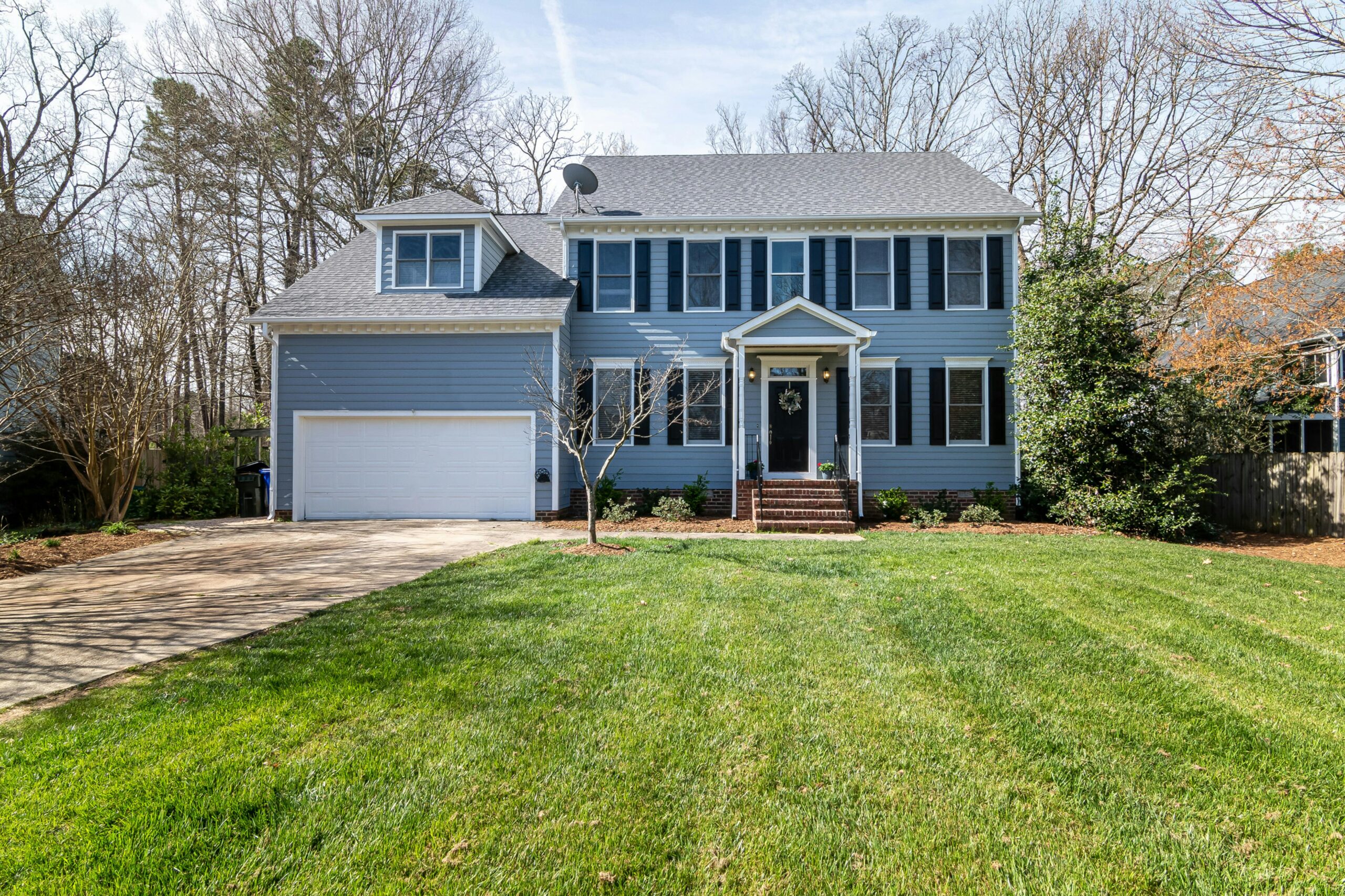
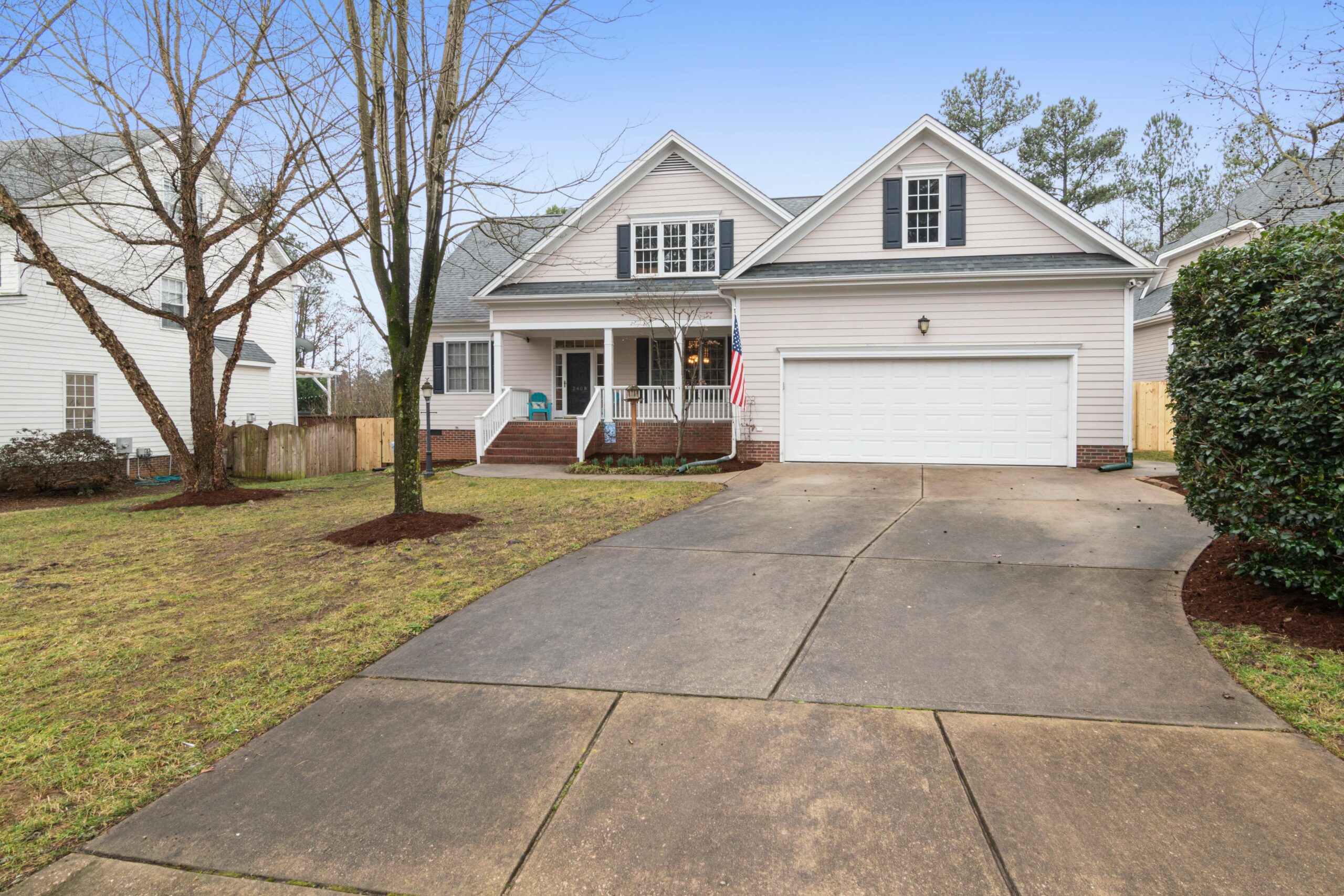
Residential rental properties are typically depreciated over a 27.5-year recovery period. An engineering-based cost segregation study identifies and reclassifies qualifying components—such as certain flooring, cabinetry, appliances, electrical systems, and site improvements—into shorter asset lives (generally 5, 7, or 15 years) in accordance with IRS guidelines.
Accelerating these deductions can reduce current taxable rental income and improve early-year cash flow. Although depreciation losses from long-term rental houses are generally considered passive under §469, the resulting deductions remain available to offset passive income, carry forward to future years, or be realized upon disposition, depending on the taxpayer’s circumstances.
Each study is supported by detailed engineering analysis and documentation designed to meet IRS audit standards, providing both property owners and their advisors with a defensible and well-substantiated depreciation strategy.
WHY CLIENTS CHOOSE MORRIS COST SEG CONSULTANTS
Engineering-Based Cost Segregation Studies.
Trusted Experience. Proven Results.
Not all cost segregation firms are created equal. Morris Cost Seg Consultants stands apart because we focus on accuracy, defensibility, and real-world results.
What Sets Us Apart:
✔ Engineering-based studies—not shortcuts
✔ Specialized experience with short-term & long-term rental properties
✔ Transparent pricing and clear ROI expectations
✔ Seamless collaboration with your CPA or tax advisor
✔ Personalized support from start to finish
We understand that short-term & long-term rental owners have unique goals—and we tailor each study to maximize value while protecting you from unnecessary risk.

Jim Morris
President | Senior Project Manager
Morris Cost Seg Consultants, LLC
Turn Tax Savings Into Growth Capital
The real power of cost segregation isn’t just tax reduction—it’s what you can do with the savings.
Many STR & LTR owners use their increased cash flow to:
- Acquire additional properties
- Upgrade furnishings and amenities
- Pay down high-interest debt
- Build financial reserves
- Increase overall portfolio returns
Instead of sending unnecessary dollars to the IRS, you can put that capital to work growing your business.
Get In Touch
If you would like to discuss whether a cost segregation study is appropriate for your property, we welcome the opportunity to speak with you.
Contact Morris Cost Seg Consultants to request a consultation or preliminary review.
Serving Coast-to-Coast Businesses
Wilmington, NC
910-988-2019
jim@morriscostseg.com

Follow Us